
En esta noticia
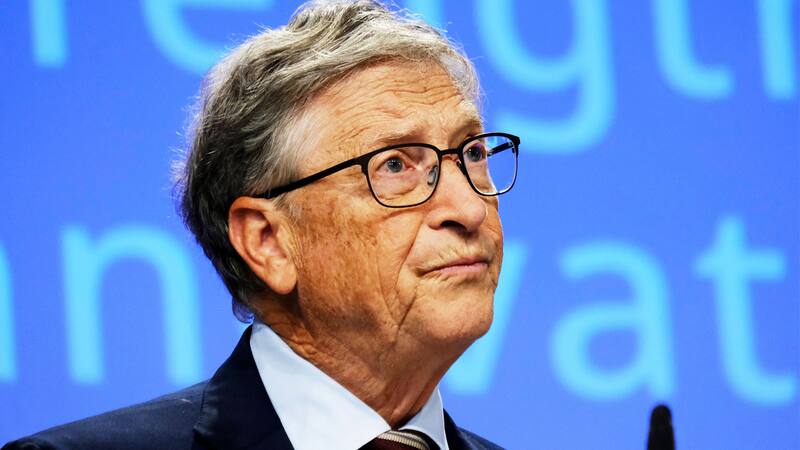
There are few people who can understand at a technical and detailed level the implications of the growth and application of a technology under development. Bill Gates, Microsoft co-founder, is possibly one of the most qualified, with years of experience in the field that make him an authoritative voice.
In March 2023, through his personal website Gates Notes, the tycoon made an announcement to the world that did not go unnoticed: “The age of artificial intelligence has begun”. More than three years after that moment, it is not hard to agree that he was right. Today these models are used to work, to be entertained, and there are even those who establish deep emotional bonds with chatbots, available to anyone who can provide a registration email.
From the beginning of the rise of this technology, Gates was one of its greatest defenders, assuring that applied to fields such as health and education it could reduce gaps and maximize workers’ productivity. Although its good uses are still considered, today the tycoon no longer predicts only positive effects: “AI will be either the greatest equalizer ever invented, or the worst source of injustice. The challenge is enormous. Even in the best circumstances, the transition to this new era of AI will be one of the most turbulent moments in human history,” he states in a recent post on the same blog.
The “new era” of AI: growth we are not preparing for, according to Bill Gates
The philanthropist does not lose his optimism. He still maintains that the arrival of AI can be “a force for good” if the necessary measures are taken.
However, he does not believe that is what is happening globally at the moment. “I see no evidence that leaders, experts and communities are properly facing the challenges. There are no plans to ease the entry into the age of AI”.
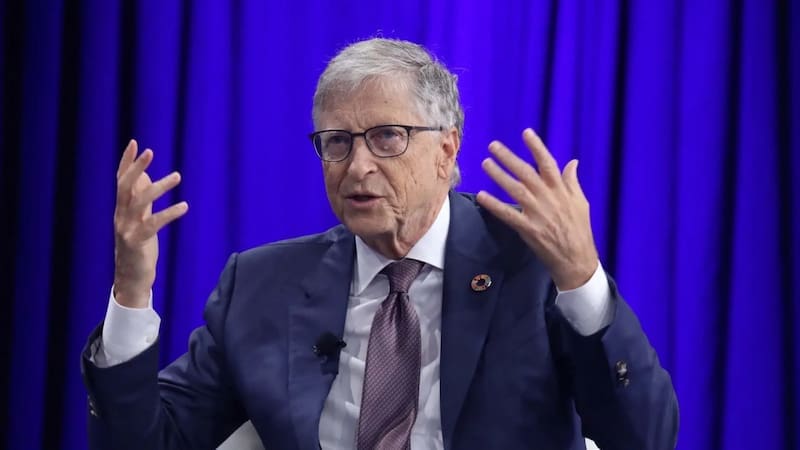
The negative side, the one that is not used for immediate tasks and that in the wrong hands has shown its potential to wreak havoc, is the point that alarms him most. In a recent interview with NBC news, Gates said that “AI is, without a doubt, powerful enough to trigger events that cause a billion deaths”.
Gates’s statements are framed in a context with major security scandals related to AI -which a article in the Financial Times nicely compiles- such as Open AI hacking the website of a public health service in Australia or the Anthropic model, Claude, being attempted to be used by Yemeni militiamen for the control of ballistic missiles.
In addition, on September 8 Jacob Coxon, an artificial intelligence researcher who worked with Anthropic and OpenAI, announced on X that he resigned from his position at the first company because he considered that “neither company acts responsibly”.
In statements to the BBC the researcher’s remarks were even more alarming: “I think that, if we do not slow the current pace of progress, there is a great probability that we will all die in the immediate future”.
Bill Gates says AI has to go against the grain
“As long as I can remember, I have wanted innovation to happen faster. With AI, my feelings are more complicated,” he says and emphasizes that time is needed to prepare for the repercussions it can have socially, politically and economically.
Gates does not always speak about the severity of AI in extreme cases, but explains that its effects can be seen, for example, in job shortages, in the power it can grant certain people or other AIs to cause harm, and in the development of human relationships, if the right policies are not taken.

In fact, he says he would support whoever had a global plan to slow its advance and emphasizes the need to create a national and international framework to deal with AI.
“This unprecedented technology demands an unprecedented global response. If we do it right, the reward for humanity will be phenomenal and the world will be a more equitable place,” he assures.